October 26, 2026
Commercial roofs protect buildings, employees, equipment, inventory, and daily operations from the elements. However, even a roof that appears to be in good condition can develop hidden problems that eventually threaten the structure beneath it. Water infiltration, deteriorating materials, excessive roof loads, and neglected maintenance can all contribute to unexpected damage if they are not addressed promptly. Experienced commercial roofing contractors help property owners identify these risks before they develop into costly emergencies.
Preventing structural failures requires more than repairing visible leaks. It involves understanding how roofing materials, drainage systems, insulation, and structural components work together. Through regular inspections, proactive maintenance, and timely repairs, building owners can reduce the likelihood of sudden roof damage and protect their investments. Understanding how these professionals approach roof safety can help commercial property managers make informed decisions about maintaining their buildings.
Understanding the Risks of Roof Deterioration
Commercial roofs experience continuous exposure to sunlight, temperature fluctuations, wind, rain, and other environmental conditions. Over time, these elements can weaken roofing membranes, loosen fasteners, damage flashing, and compromise protective coatings. When deterioration goes unnoticed, small defects can allow moisture to enter the roofing system and affect the materials beneath the surface.
Water infiltration is particularly concerning because damage often develops out of sight. Moisture can accumulate within insulation, weaken roof decking, corrode metal components, and contribute to wood decay. In some buildings, prolonged moisture exposure can also affect interior finishes and create conditions favorable to mold growth. If these issues remain unresolved, the roof may eventually lose its ability to support expected loads.
Experienced contractors understand that visible damage does not always reveal the full extent of a roofing problem. They evaluate the roof as a complete system rather than focusing exclusively on isolated defects. This broader approach helps identify vulnerabilities that could compromise structural stability and allows property owners to address problems before they become emergencies.
According to IBISWorld, the U.S. roofing contractors industry is worth about $92.5 billion in 2026 and has about 109,000 businesses. With so many companies operating in the industry, commercial property owners should carefully evaluate contractors based on their experience, inspection practices, and ability to identify potential structural concerns.
Conducting Thorough Roof Inspections
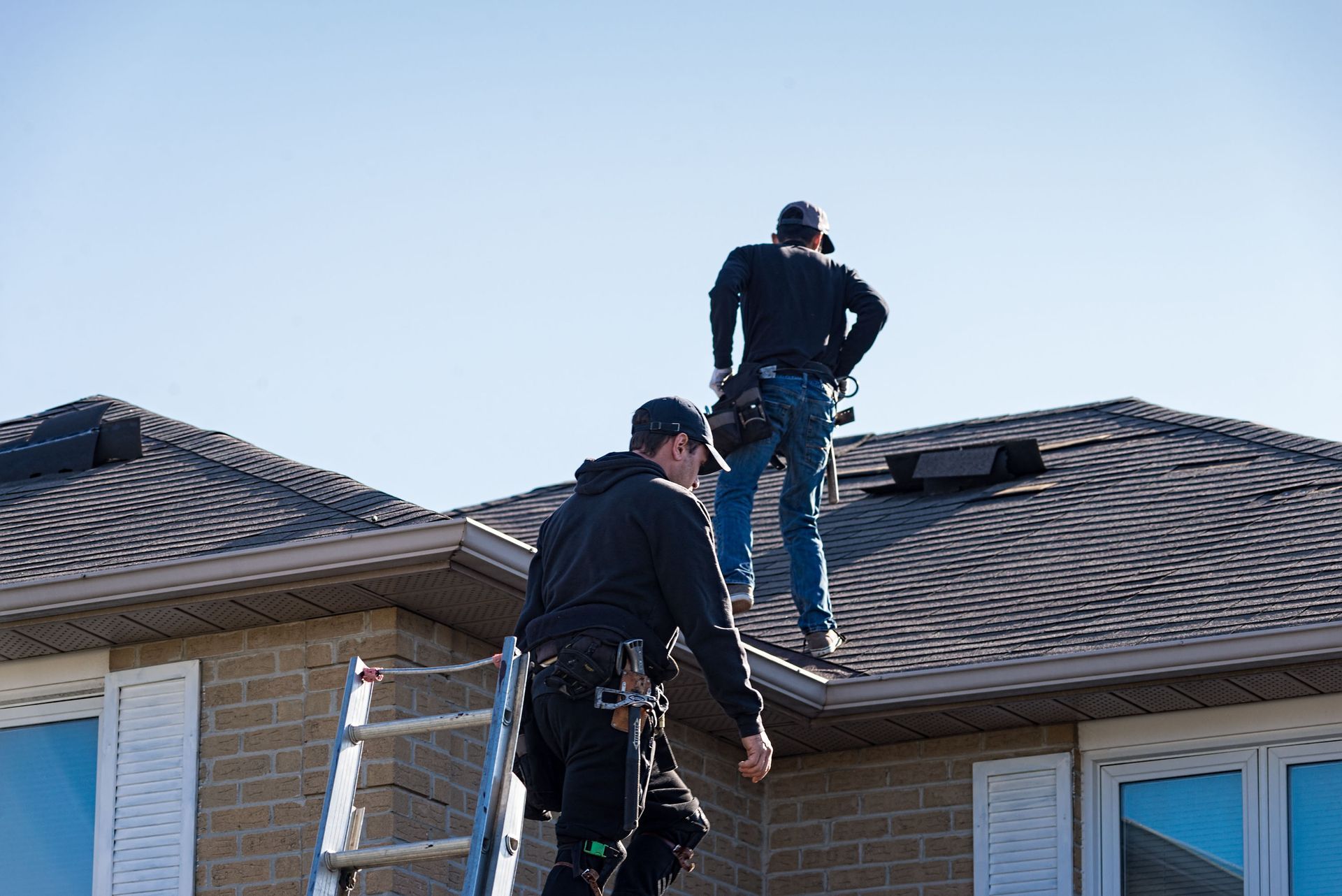
Routine inspections are among the most effective ways to prevent sudden structural failures. Experienced commercial roofing contractors examine roofing membranes, seams, flashing, penetrations, drainage components, and other areas where damage commonly develops. They also look for punctures, blistering, loose materials, standing water, and signs of previous repairs that may no longer be performing as intended.
Inspections should consider the building's age, roof design, materials, climate, and maintenance history. A roof exposed to severe weather or supporting frequent maintenance traffic may require closer attention than one operating under less demanding conditions. Contractors use these details to determine which areas need additional monitoring or immediate repairs.
Interior inspections can be equally important. Ceiling stains, damp insulation, peeling paint, and unexplained moisture may indicate a leak that is not obvious from the roof's surface. Contractors may recommend further evaluation when these warning signs suggest that water has reached structural components.
Inspection findings should be documented so property managers can track changes over time. Photographs, written observations, and repair recommendations help establish a record of the roof's condition. This information makes it easier to prioritize maintenance, identify recurring problems, and recognize deterioration before it threatens the building's safety.
Identifying Hidden Moisture Damage
Water can travel away from the original entry point before becoming visible inside a building. As a result, repairing the area directly above a ceiling stain may not resolve the underlying problem. Experienced contractors investigate how moisture enters the roofing system and determine whether it has affected insulation, decking, or supporting components.
Depending on the roof assembly and the suspected problem, contractors may recommend moisture surveys, infrared inspections under suitable conditions, or targeted openings to examine concealed materials. These methods can help locate wet insulation and other damaged areas without requiring unnecessary removal of the entire roof.
Once moisture intrusion is identified, the appropriate response depends on its extent and location. Localized damage may require replacing affected materials and repairing the source of the leak. More extensive deterioration may call for a broader repair plan and an assessment by a qualified structural professional.
Addressing hidden moisture promptly helps preserve the roofing system and reduces the risk of progressive damage. It also prevents property owners from relying on temporary surface repairs while compromised materials continue to deteriorate underneath.
Maintaining Effective Roof Drainage
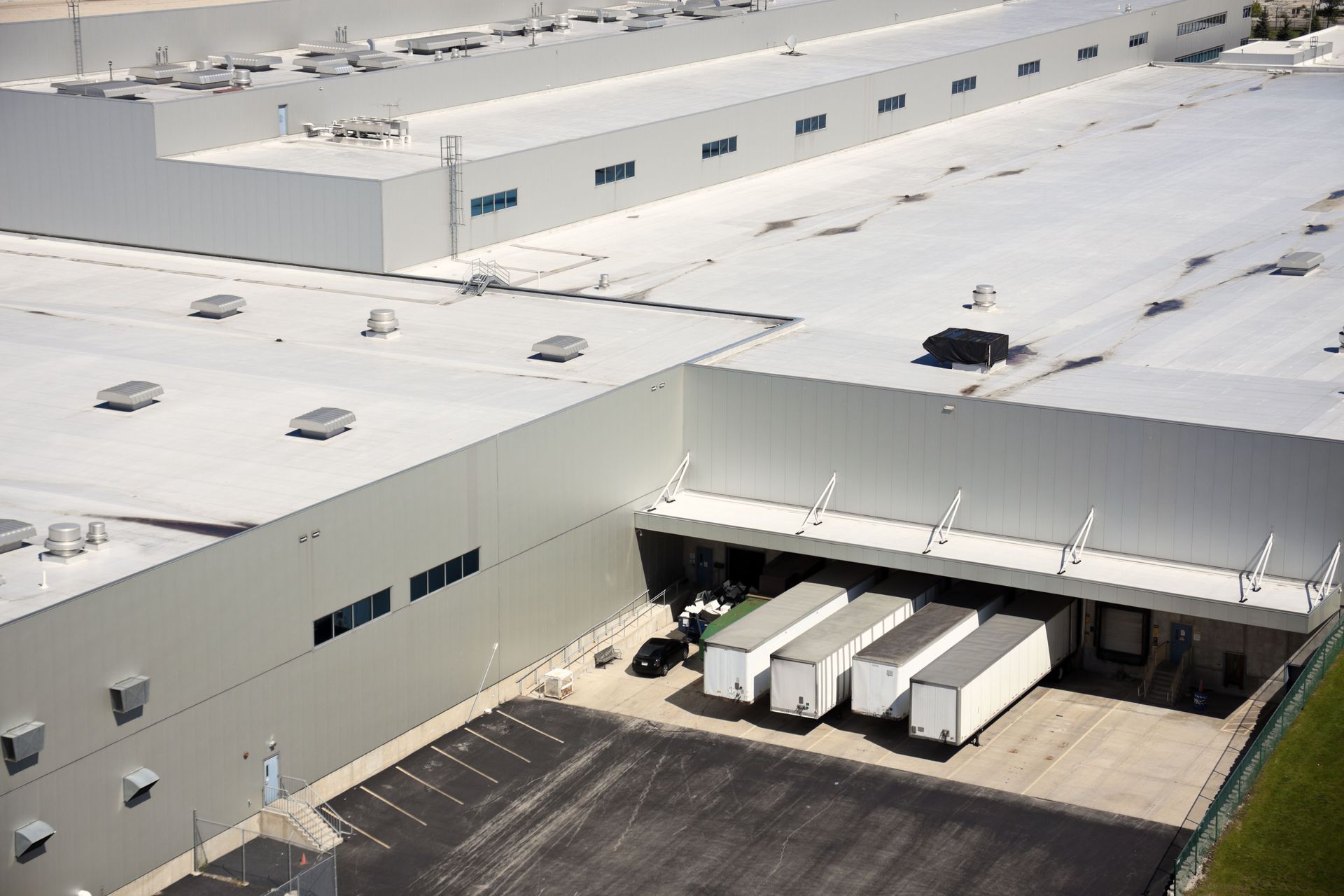
Proper drainage plays a critical role in commercial roof safety. Flat and low-slope roofs are designed to direct water toward drains, gutters, scuppers, or designated discharge points. When these systems become blocked or damaged, rainwater can collect on the roof instead of draining away efficiently.
Standing water increases the load placed on the roof structure. If the roof was not designed to support the accumulated weight, or if its structural capacity has been reduced by deterioration, excessive water accumulation can become dangerous. Water may also accelerate membrane deterioration, expose weak seams, and increase the likelihood of leaks.
Commercial roofing contractors inspect drainage systems for obstructions, damaged components, and improper water flow. They may recommend cleaning drains, repairing drainage connections, or correcting roof slope and drainage deficiencies when appropriate. Property managers should also ensure that leaves, debris, and other obstructions are removed regularly.
Recurring ponding deserves particular attention because it can indicate a drainage problem, roof deflection, or another underlying issue. Contractors should investigate persistent accumulation rather than assuming that every instance can be resolved through routine cleaning. Where structural movement or inadequate load capacity is suspected, further evaluation may be necessary.
Recognizing Structural Warning Signs
Experienced contractors know that certain roof conditions may indicate problems extending beyond the roofing materials themselves. Sagging roof sections, separated connections, unusual deflection, cracked supporting elements, and recurring leaks near structural joints can all warrant additional investigation. Although these symptoms do not automatically confirm structural failure, they should never be ignored.
Heavy snow, ice accumulation, and severe storms can place additional demands on commercial buildings. Existing deterioration, blocked drains, and design limitations may increase the consequences of these conditions. Contractors can help property managers identify vulnerabilities and recommend appropriate maintenance or further assessment before severe weather creates an emergency.
However, roofing contractors should not independently diagnose every structural concern. When an inspection reveals potentially compromised joists, beams, decking, or other load-bearing components, a qualified structural engineer may need to assess the building's condition and determine the necessary corrective measures.
If a roof appears to be sagging significantly or shows signs of imminent failure, occupants should be kept away from potentially affected areas while appropriate emergency professionals assess the situation. Prompt action can reduce the risk of injuries, extensive property damage, and prolonged operational disruptions.
Scheduling Preventive Maintenance and Repairs
Preventive maintenance helps property owners address developing problems before they require major reconstruction. Instead of waiting for leaks or visible damage, commercial roofing contractors can establish maintenance schedules based on roof age, materials, environmental exposure, and previous inspection findings.
Maintenance activities may include checking seams and flashing, removing debris, inspecting sealants, clearing drainage systems, and repairing localized membrane damage. Contractors can also evaluate rooftop equipment supports and penetrations, which may create additional opportunities for water intrusion if improperly installed or maintained.
Timely repairs are essential because roofing defects rarely improve through neglect. A small opening around a penetration can allow repeated moisture entry, while loose flashing may become more vulnerable during high winds. Correcting these problems early can limit the spread of damage and reduce the likelihood of emergency service calls.
Property managers should keep records of inspections, completed repairs, material warranties, and recurring issues. These records help contractors understand the roof's maintenance history and make more informed recommendations. A planned maintenance budget also allows owners to address necessary work before deferred repairs create larger expenses.
For ROOF Management, protecting a commercial property begins with taking roofing concerns seriously and addressing them before they escalate. A proactive approach to
commercial roofing helps preserve building integrity, manage long-term maintenance costs, and support a safer environment for everyone who uses the property. Contact us today for more information.