September 23, 2026
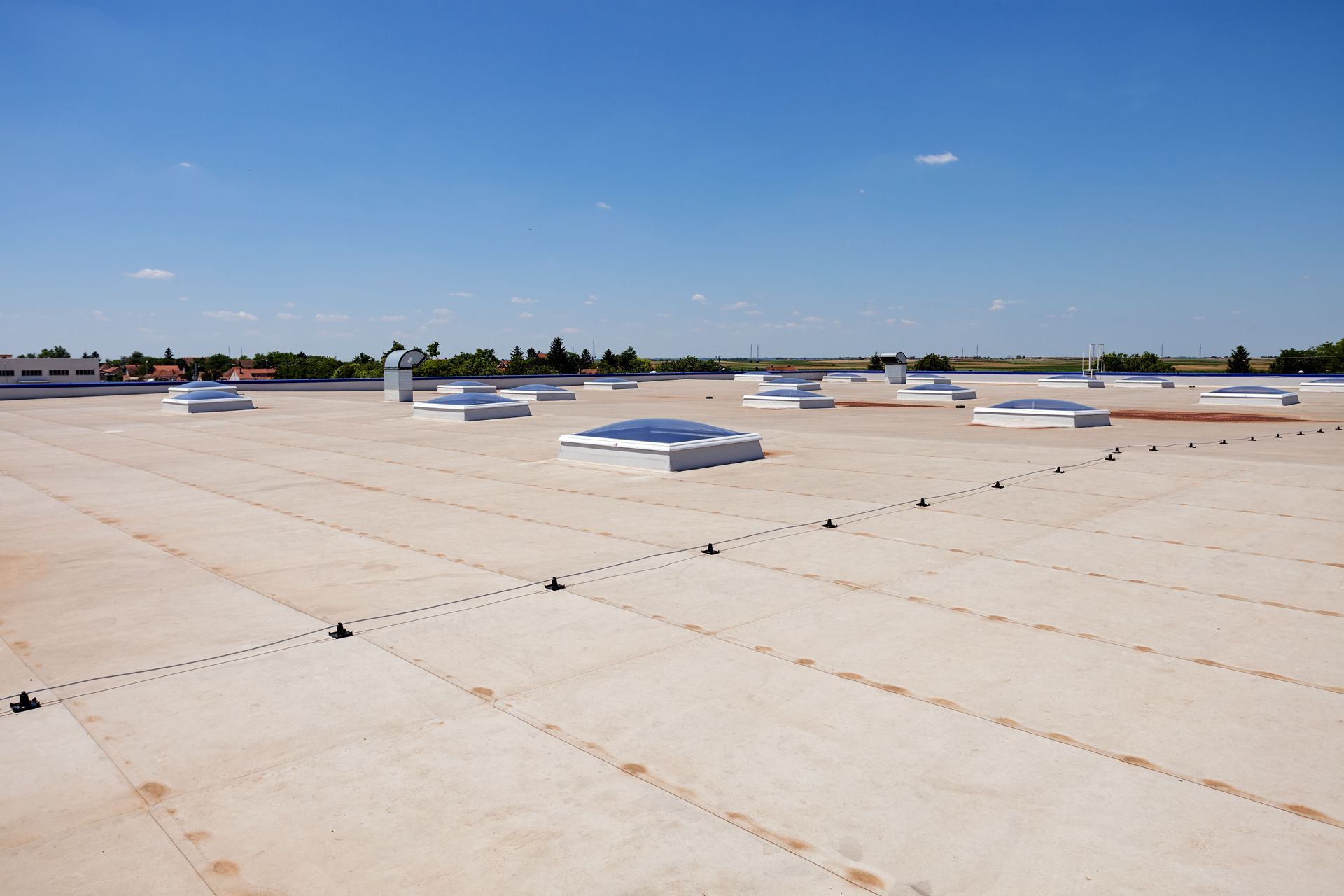
Commercial property owners understand that a roof is more than a protective covering—it is a critical investment that safeguards inventory, equipment, employees, and daily operations. When that protection fails, the resulting water damage can halt business activities, destroy assets, and lead to expensive repairs that far exceed the cost of routine maintenance. This is why so many building owners across Michigan are turning to rubber roofing systems as their preferred solution for flat and low-slope commercial structures. Durable, weather-resistant, and cost-effective, rubber roofing has become the gold standard for businesses looking to avoid the headaches associated with recurring leaks. In this post, we'll explore why professional installation and maintenance of rubber roofing systems is essential, the warning signs that indicate trouble, and the specific benefits that make this material so effective at preventing costly water intrusion.
Understanding EPDM Versus TPO Membrane Versatility
Not all rubber roofing membranes are created equal, and choosing the right one depends heavily on your building's specific needs. EPDM (ethylene propylene diene monomer) and TPO (thermoplastic polyolefin) are the two most common single-ply options used in commercial applications, and each offers distinct advantages depending on your facility's cooling requirements, climate exposure, and industry demands. EPDM has long been valued for its flexibility and proven track record in harsh weather, while TPO tends to offer greater reflectivity, which can help reduce cooling costs during warmer months. Working with an experienced contractor ensures you select the membrane type that aligns with your building's long-term energy goals, rather than simply defaulting to whichever material is cheapest or most familiar.
Exploring the Science of Thermal Expansion and Material Flexibility
Michigan's climate is notorious for dramatic temperature swings, and these fluctuations cause building materials to expand and contract throughout the year. A poorly designed or improperly installed roof will struggle to accommodate this constant movement, eventually developing stress cracks that let moisture seep through. Rubber roofing is specifically engineered to remain pliable under these conditions, flexing with the building rather than fracturing against it. This inherent elasticity is one of the primary reasons rubber membranes outperform rigid alternatives, especially in regions where hot summers give way to freezing winters within the span of a single year.
Considering the Benefits of Superior UV and Weather Resistance
Constant exposure to intense sunlight, heavy rain, and snow accumulation gradually wears down lower-quality roofing materials, causing them to become brittle and prone to tearing. High-performance rubber roofing is formulated to resist this kind of degradation, maintaining its structural integrity even after years of exposure to the elements. This resistance to UV rays and weather extremes is a major reason rubber roofing systems are able to protect commercial buildings for such an extended period. According to Roofers Guild, a properly installed rubber roofing system can remain functional for as long as 50 years, making it one of the most durable options available for flat and low-slope commercial applications.
Managing Seams to Preserve Waterproofing Integrity
Even the best rubber membrane can fail if its seams are not handled with precision. The seams—where individual sheets of material meet and overlap—represent the most vulnerable points in any low-slope roofing system. If these areas are not properly welded or bonded, moisture will inevitably find its way beneath the surface, leading to hidden leaks that can go undetected for months. Professional installation crews prioritize meticulous seam work, using specialized equipment and techniques to create a completely watertight finish. This level of attention to detail is difficult, if not impossible, to replicate through do-it-yourself methods or inexperienced labor.
Maximizing Energy Efficiency Through Reflective Materials
Beyond leak prevention, rubber roofing offers significant energy savings for commercial property owners. Reflective membranes reduce the amount of heat absorbed by a building during warmer months, which in turn lowers the workload placed on HVAC systems. Over time, this translates into noticeable reductions in utility expenses, making rubber roofing not just a protective investment but a financially sound one as well. Businesses looking to improve their overall efficiency should consult with roofing professionals who can recommend the most reflective and energy-conscious materials suited to their specific structure.
Recognizing Warning Signs Before Leaks Escalate
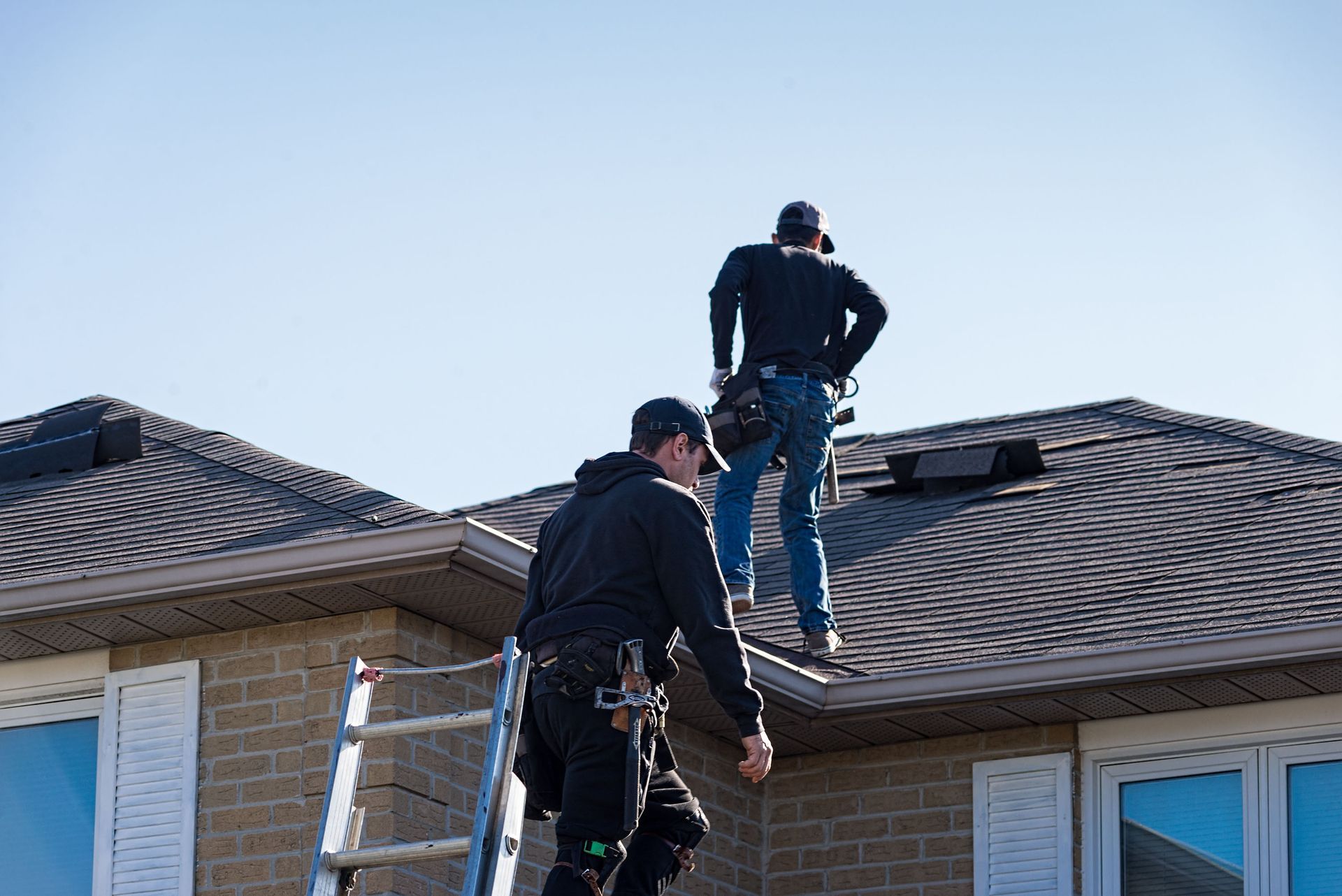
Your commercial roof works hard every single day, and recognizing early warning signs of trouble can save your business from expensive water damage down the road. Common indicators that your rubber roofing may need attention include visible cracks or punctures in the membrane, standing water that fails to drain properly, interior water stains, loose or lifting seams, and blistering on the surface. Roofs older than 20 years or those that have recently endured storm or hail damage are also at higher risk. Minor issues can escalate quickly if left unaddressed, which is why prompt inspection by qualified professionals is so important.
Addressing Interior Damage Before It Spreads Further
By the time a stain appears on your ceiling, water has often already traveled through your insulation and roof decking, causing damage that extends well beyond the surface. Acting quickly upon noticing these signs can prevent minor leaks from developing into major structural problems, including hazardous mold growth and costly remediation projects. A thorough evaluation from experienced roofing professionals ensures that underlying issues are caught early, before they compromise the safety of your building or disrupt your daily operations.
Considering Proactive Inspection and Routine Debris Removal
Small pieces of debris and pooling water can trap moisture against a rubber membrane, accelerating wear and leading to premature surface damage. Routine maintenance, including regular inspections and debris removal, keeps your commercial roofing system performing reliably for the duration of its intended lifespan. Scheduling these proactive services with a qualified team helps catch minor issues before they require extensive repairs, ultimately extending the life of your investment and reducing the likelihood of unexpected leaks.
Securing Roof Penetrations and Flashing Details
Most commercial buildings feature multiple vents, pipes, and HVAC units that create potential entry points for water. Properly sealing these roof penetrations requires specialized knowledge, as any gaps in flashing can quickly become sources of interior damage to your operational equipment and machinery. Skilled contractors understand how to create continuous, leak-proof seals around these complex areas, ensuring that your rubber roofing system remains watertight even in the most vulnerable sections of your building.
Recognizing the Value of Professional Installation Standards
Even the highest-quality rubber roofing material will fail prematurely if it is installed incorrectly or without proper sub-surface preparation. This is precisely why emphasizing the importance of professional installation cannot be overstated. Contractors with extensive training and experience understand the engineering details and safety compliance measures necessary to protect your investment. Professional installation also ensures that your manufacturer's warranty remains valid, giving you added peace of mind and financial protection should any issues arise down the road.
Weighing the Long-Term Value of Rubber Roofing Investments
When considering the total cost of ownership, rubber roofing consistently proves to be one of the most economical choices for commercial properties. Its combination of durability, low maintenance requirements, and energy efficiency means that businesses often see a strong return on their initial investment. While upfront installation costs may vary depending on the size and complexity of a project, the reduced likelihood of leaks, structural damage, and premature replacement makes rubber roofing a financially responsible choice for property owners planning for the long term.
Protecting your commercial property from costly water damage starts with choosing the right roofing system and, just as importantly, the right team to install and maintain it. Rubber roofing offers unmatched durability, flexibility, and weather resistance, making it one of the most reliable solutions available for flat and low-slope buildings. From proper seam management to professional flashing installation, every detail matters when it comes to keeping your building dry and your operations running smoothly. If your business is due for a new roof, a repair, or a routine inspection, don't wait until a small problem becomes a major expense. Reach out to us at ROOF Management today, and let our experienced team show you why so many property owners across Michigan trust us to protect their investment for decades to come.