June 26, 2026
Choosing flat roofing for a commercial property or a modern home design offers excellent structural versatility and a clean, contemporary aesthetic. However, managing this specific type of architecture requires a clear understanding of its unique vulnerabilities and structural demands. Unlike traditional sloped systems that naturally shed water using gravity, low-slope surfaces demand precise installation and rigorous professional oversight to remain functional. According to HomeAdvisor, a well-maintained flat roof can last up to 25 years. Achieving this impressive lifespan requires property owners to stay vigilant, understand systemic risks, and partner with certified contractors rather than attempting dangerous repairs independently.
Understanding Flat Roofing System Vulnerabilities
Water accumulation represents the most frequent threat to flat roofing or low-slope structures, often resulting from improper sloping or clogged drainage components. When rain cannot escape the surface within forty-eight hours, it creates heavy standing pools that accelerate the degradation of protective membranes. This weight stresses the underlying decking, causing subtle structural sagging that worsens the collection cycle. Over time, prolonged moisture exposure weakens manufactured seams, leading to subtle interior leaks that rot structural beams and ruin ceiling drywall. Professional roofing contractors must regularly evaluate surface levels to ensure water migrates efficiently toward outlets rather than settling into destructive, stagnant flat roofing ponds.
Inspecting Membrane Degradation Mechanisms
Intense solar radiation and extreme temperature fluctuations cause commercial membranes to break down through a process called thermal shock. As the sun beats down during peak summer afternoons, materials expand, only to contract rapidly when evening temperatures drop. This constant physical movement places immense strain on the chemical bonds within single-ply plastics or modified bitumen surfaces. Property owners often notice the outer layer cracking, splitting, or shrinking away from the perimeter flashing over time. Once the outer shield loses its flexibility, moisture easily penetrates the underlying insulation, destroying thermal efficiency and demanding comprehensive replacement.
Mitigating Blistering and Adhesion Failures
Trapped moisture underneath the waterproofing layer regularly causes unsightly pockets of air or water known as surface blisters. When the sun heats the rooftop, any sub-surface condensation expands into water vapor, forcing the membrane upward and breaking the adhesive bond. Walking on these fragile, pressurized bubbles can puncture the material instantly, creating a direct pathway for severe stormy weather to flood the building. Attempting to pop or patch these areas without commercial training often worsens the structural damage. Qualified roofing technicians must carefully cut away the affected zone, dry the substrate completely, and apply specialized commercial patches.
Diagnosing Flashing and Perimeter Breaches
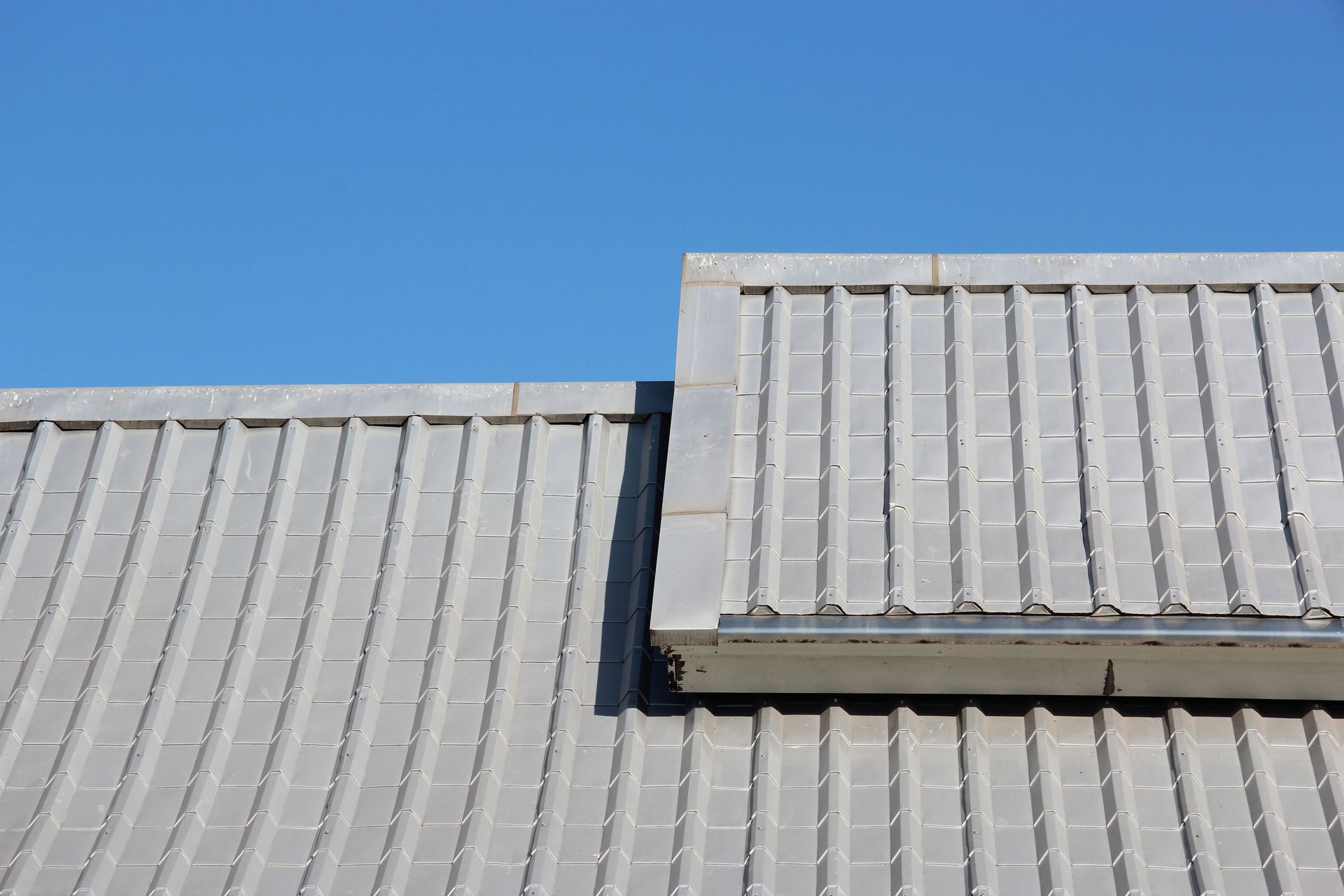
Perimeter flashings and metal edge strips secure the edges of a low-slope system, preventing wind from lifting the membrane. Because different materials expand at varying rates, the seal between metal edges and flexible waterproofing membranes frequently pulls apart. Strong wind gusts can catch these loosened edges, tearing large sections of the protective barrier clean off the decking. Furthermore, perimeter failures allow driving rain to seep directly into the building's side walls, causing hidden mold growth and masonry deterioration. Regular professional sealing and fastening of these critical border zones prevent costly wind-related catastrophes.
Maintaining Drainage and Scupper Paths
Debris like autumn leaves, twigs, plastic trash, and windblown dirt consistently accumulates around rooftop drains, scuppers, and gutter systems. When these vital exit pathways become blocked, the entire rooftop transforms into a temporary swimming pool during heavy rainstorms. The immense weight of this trapped water threatens structural integrity, occasionally causing catastrophic deck collapses on older properties. Furthermore, organic matter left rotting in standing water creates acidic compounds that slowly eat through heavy-duty commercial coatings. Commercial maintenance contracts ensure these pathways remain completely clear, safeguarding the property against sudden, severe water accumulation.
Analyzing Poor Workmanship Consequences
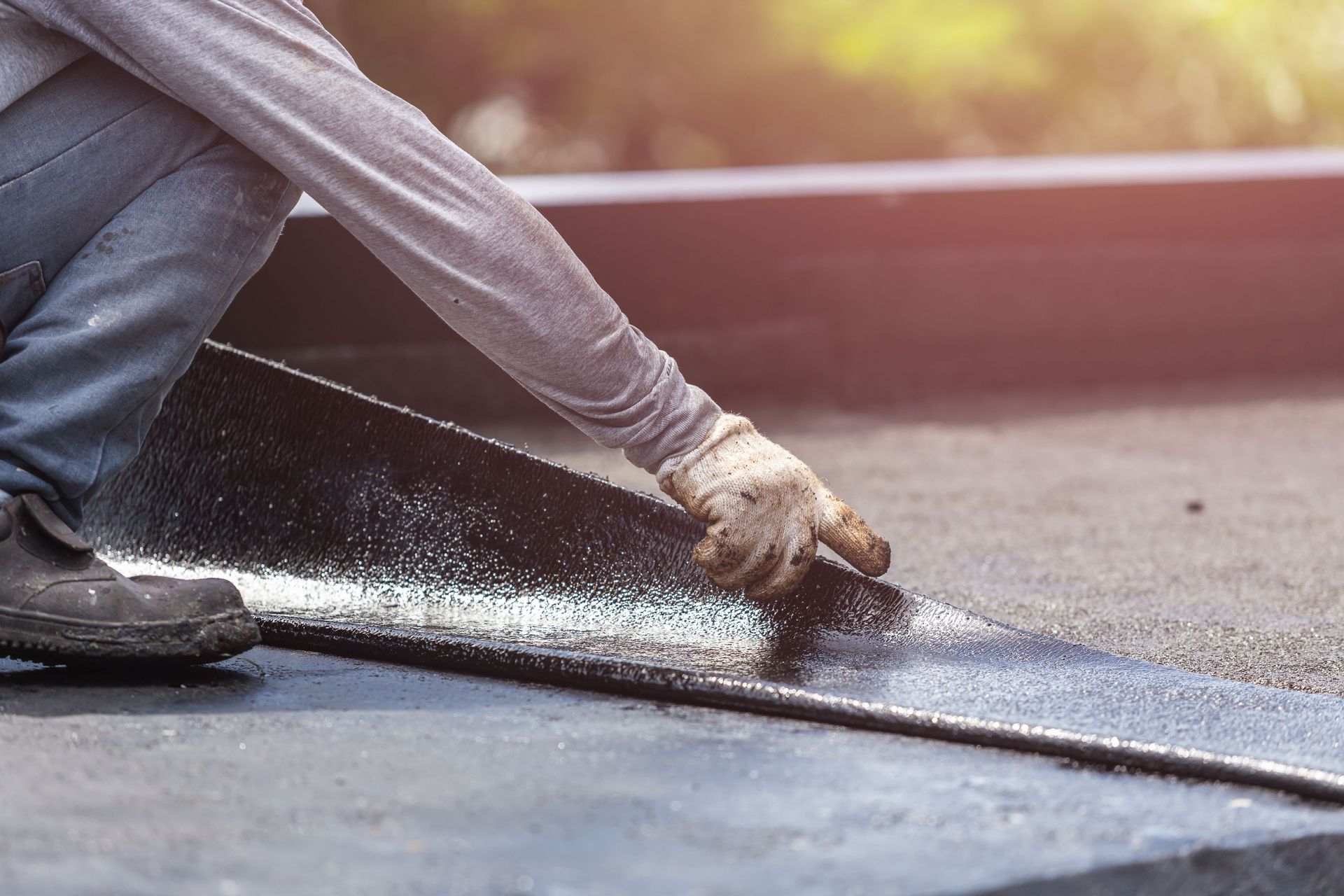
Enlisting uncertified handymen or attempting amateur fixes on low-slope systems usually leads to premature structural failure and voided manufacturer warranties. Modern commercial materials require precise hot-mopping, torching, or specialized chemical welding techniques that demand years of rigorous vocational training. Minor mistakes, such as applying adhesives at incorrect temperatures or misaligning seam tapes, lead to rapid, widespread water penetration. Professional crews possess the advanced thermal imaging cameras needed to locate hidden sub-surface moisture without destroying intact sections. Investing in certified commercial installers protects your long-term property value and ensures compliance with local building codes.
Preventing Biological and Vegetation Growth
Prolonged moisture combined with accumulated dirt creates a fertile breeding ground for algae, moss, fungal spores, and invasive weeds. Plant roots possess a remarkable ability to penetrate tiny microscopic cracks in asphalt or rubber layers, searching for subsurface moisture. As these biological root systems expand, they mechanically pry the roofing materials apart, destroying the watertight integrity of the system. Moss also acts like a sponge, holding water permanently against the surface and preventing the membrane from drying properly. Professional chemical treatments and regular washing by certified experts eliminate these biological hazards before they cause permanent damage.
Evaluating Thermal Insulation Efficiency
The insulation layers installed beneath the outer membrane do more than regulate interior building temperatures; they provide vital structural support. When a leak occurs, the underlying insulation boards absorb water, losing their structural density and turning into a soft, spongy mess. Walking across a roof with saturated insulation compresses the wet boards, causing the top membrane to stretch and tear. Additionally, wet insulation destroys the building's energy efficiency, causing monthly heating and cooling utility bills to skyrocket. Commercial specialists utilize nuclear moisture meters to pinpoint and replace damaged insulation before it ruins the surrounding structure.
Considering Professional Maintenance Protocols
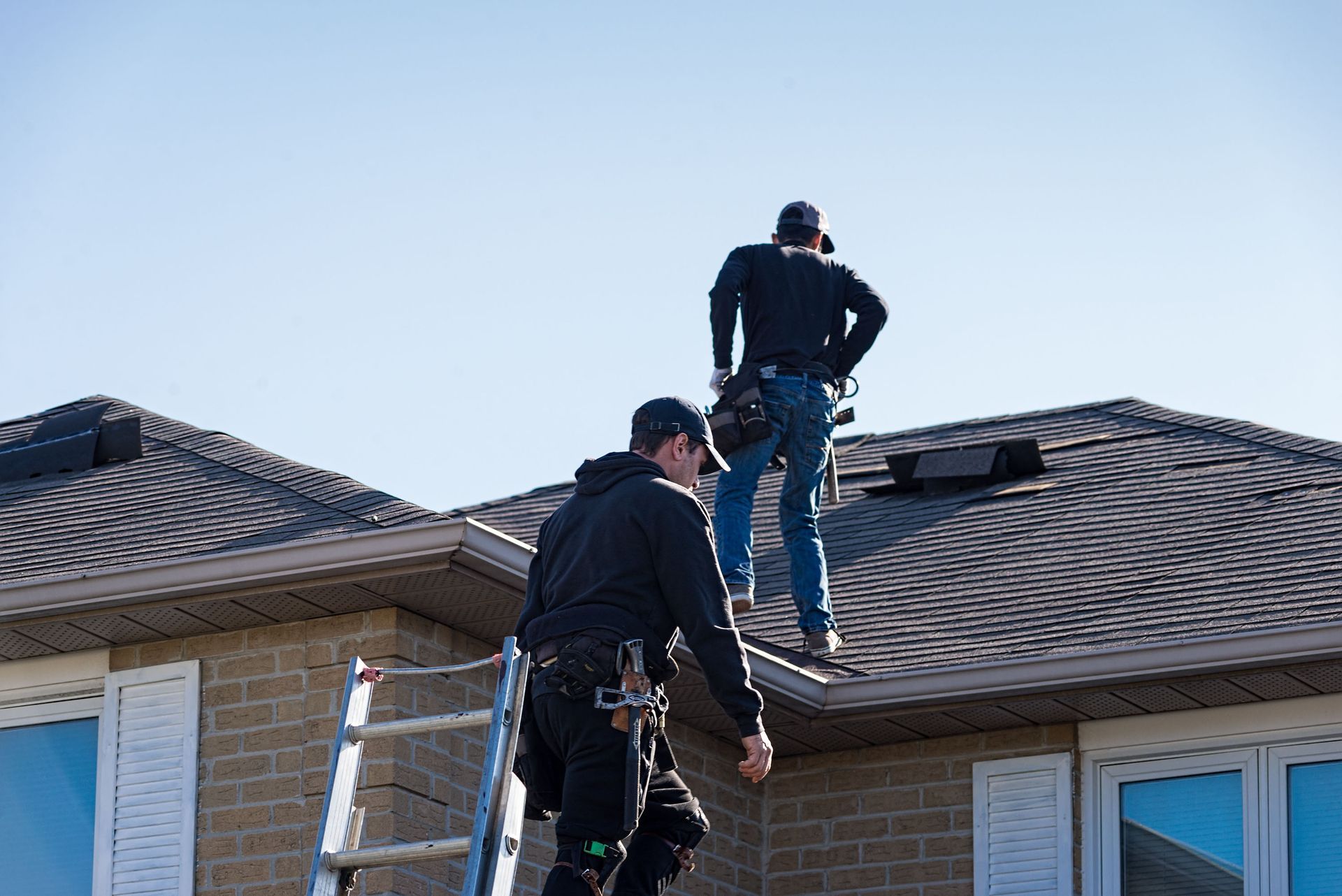
Establishing a formal biannual inspection schedule with a licensed commercial contractor remains the single most effective way to protect your investment. These expert evaluations should ideally occur during early spring and late autumn to prepare the structure for extreme seasonal weather. Technicians systematically check every seam, clean out complex drainage mechanisms, and reinforce deteriorating sealant around plumbing vents or HVAC units. Catching minor wear early prevents small issues from escalating into business-disrupting emergencies that require total system tear-offs. Trusting seasoned experts to manage your asset ensures the structure safely achieves its maximum operational lifespan.
Monitoring Mechanical and Structural Loading
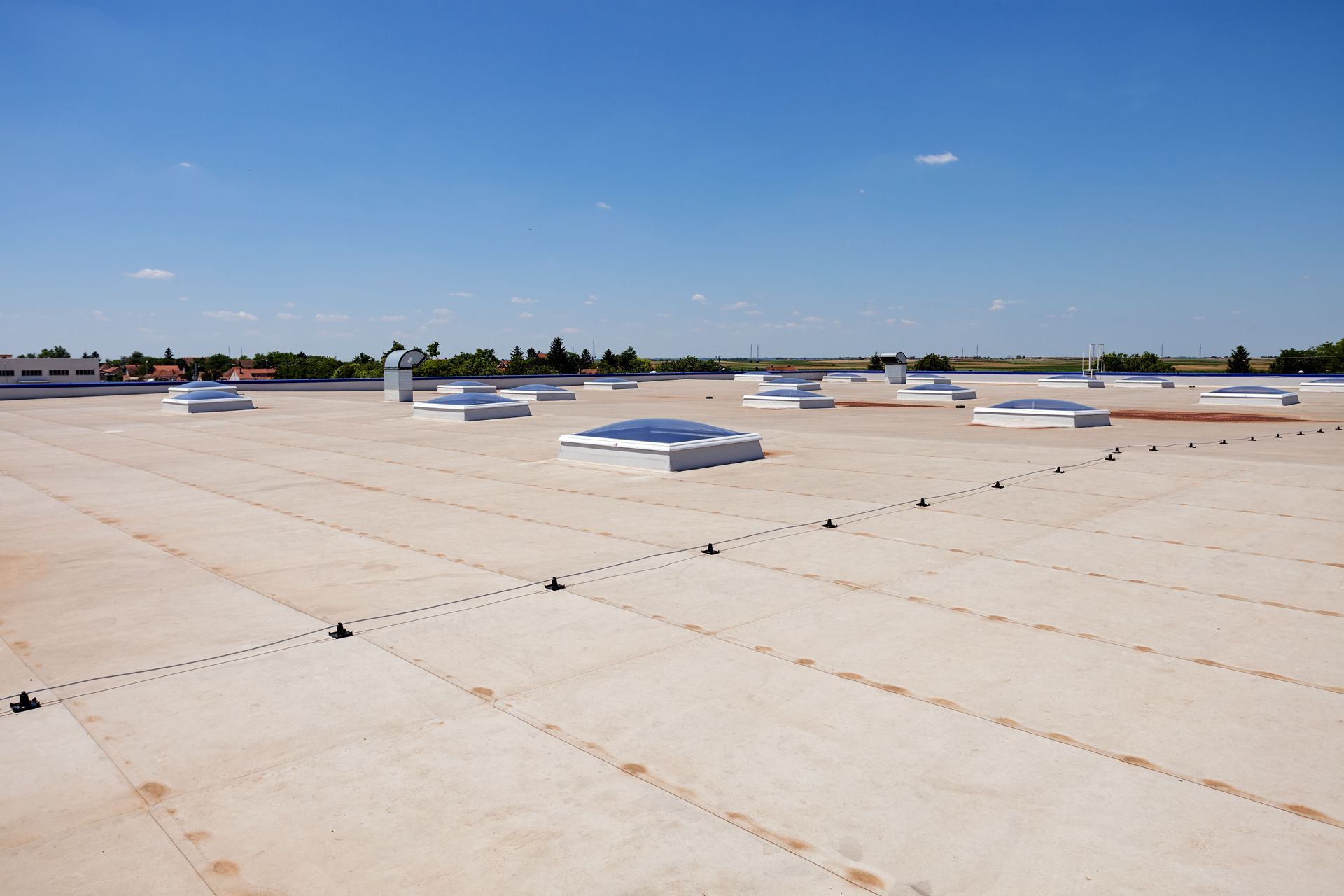
Heavy rooftop equipment like commercial HVAC units, solar panels, and ventilation systems places localized physical stress on a flat roofing installation. If these massive units are positioned without adequate structural support or specialized vibration-damping pads, they gradually compress the underlying insulation boards. This compression creates distinct structural depressions where rainwater inevitably accumulates, forming localized ponds that accelerate the deterioration of the rubberized membrane. Furthermore, technicians servicing this heavy equipment can accidentally drop sharp tools or drag heavy panels, causing deep punctures that permit immediate water entry. Enlisting certified commercial roofing experts to install heavy-duty walk pads around all mechanical units ensures that routine maintenance traffic never compromises the integrity of the building or flat roofing system.
Protecting a flat roofing system from premature deterioration requires a proactive mindset, consistent professional monitoring, and a strict rejection of amateur repair methods. Property owners must recognize that low-slope structures demand specialized engineering care that vastly differs from standard residential architectural upkeep. By understanding the threats posed by standing water, solar degradation, clogged drains, and poor workmanship, you can successfully implement a reliable preventative strategy. Relying exclusively on licensed commercial roofers for inspections, cleanings, and repairs safeguards your structural investment effectively. Staying committed to professional oversight guarantees your property remains safe, dry, energy-efficient, and structurally sound for decades. Are you seeking flat roofing experts in Michigan? Look no further than the professionals at ROOF Management! Call today to request an estimate for your next roofing project.