July 27, 2026
Maintaining the structural integrity of a facility requires constant attention to the elements above. Severe storms, temperature swings, and persistent moisture regularly test the limits of commercial roofing systems across every region. Identifying subtle signs of deterioration early helps property managers address minor issues before they evolve into major operational headaches. Recognizing how environmental exposure impacts structural materials ensures long-term protection for valuable equipment, inventory, and building occupants. Relying on routine visual evaluations and professional oversight allows business owners to manage overhead costs effectively without unexpected surprises. Understanding what to look for after severe weather keeps your facility safe, functional, and resilient against whatever nature throws its way.
Recognizing Visible Surface Cracks and Material Tears
High winds and severe hail storms can inflict immediate physical damage to commercial roofing membranes. Membrane splits, punctures, and surface tears often open direct pathways for water to penetrate lower material layers. Fluctuations in seasonal temperatures cause expansion and contraction, which further stress minor surface cracks over time. Professional technicians evaluate these surface defects during routine site assessments to determine whether localized seam repair or section restoration is necessary. According to RubyHome, 33% of people replace roofs due to storm damage. Promptly identifying surface breaches prevents moisture from reaching structural decking, maintaining system strength and extending the overall service life of your building.
Spotting Dislodged or Missing Shingles and Panels
Intense wind events create uplift pressure that can loosen, displace, or peel away protective outer components from commercial roofing structures. When panels or shingles become dislodged, the sensitive underlayment remains completely exposed to ambient weather conditions. Exposed underlayment rapidly degrades under direct sunlight and heavy rainfall, increasing the risk of interior leaks. Professional crews possess the expertise and safety equipment necessary to evaluate wind damage across expansive roofs securely. Securing displaced components quickly prevents widespread membrane failure and ensures the entire building envelope continues functioning as intended through subsequent storm systems.
Evaluating the Impact of Standing or Standing Water
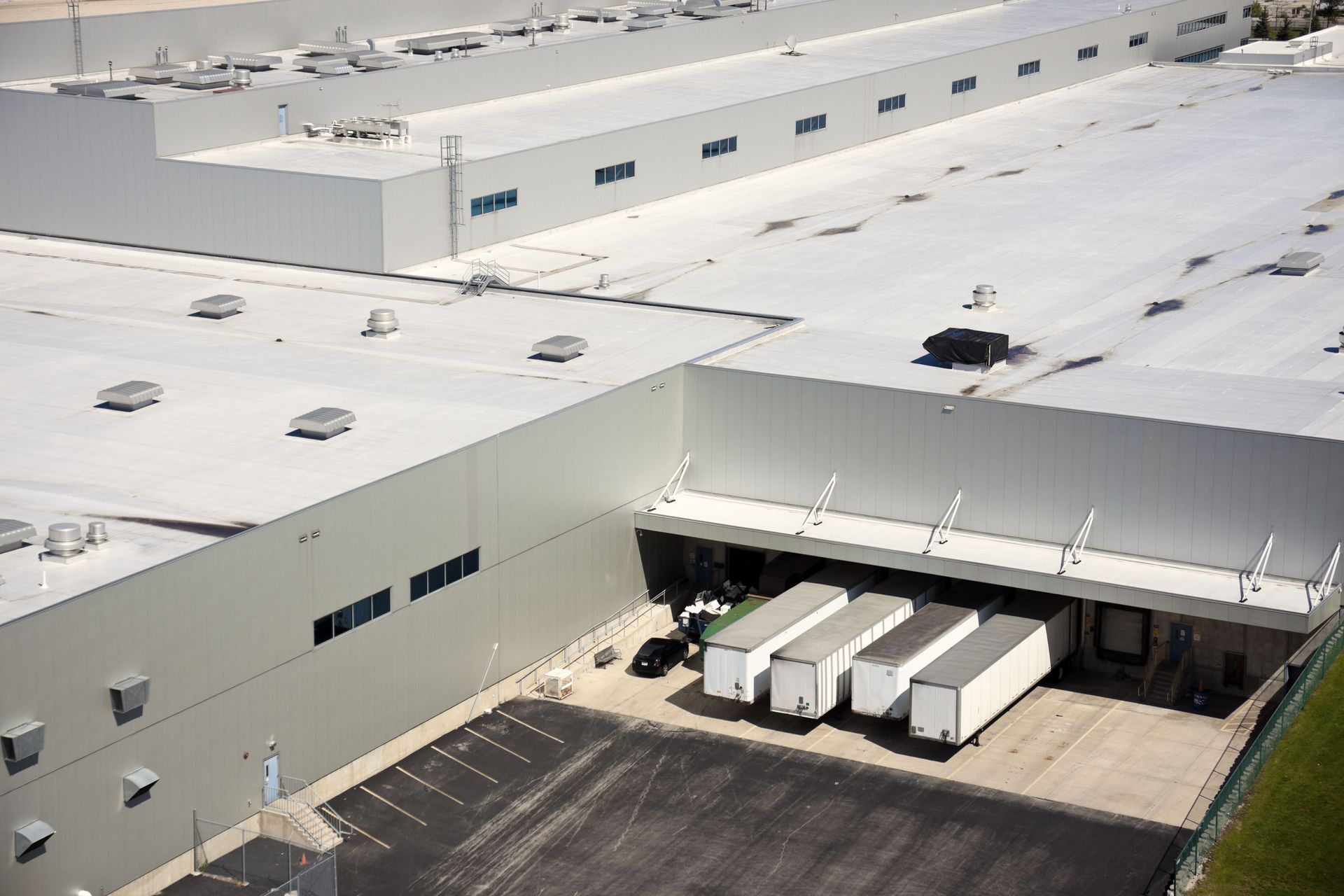
Flat and low-slope commercial roofing systems rely on continuous, efficient drainage to move rainwater off the structure. When drains become clogged or sagging occurs, standing water creates excessive weight on specific structural points. Prolonged exposure to standing water accelerates membrane breakdown, weakens seam adhesives, and encourages organic debris accumulation. Professional maintenance crews clear blocked scuppers and evaluate drainage slopes to restore proper water flow across all sections. Addressing drainage bottlenecks ensures that heavy rainfall drains away quickly without threatening the underlying structural support systems of the facility.
Identifying Granule Loss on Mineral Surfaced Sheets
Mineral granules embedded in asphalt-based commercial roofing sheets serve as the primary line of defense against harmful ultraviolet radiation. Over time, heavy rain, hail impacts, and strong winds wear away these protective granules, collecting them near drainage outlets. Smooth or dark patches on the membrane surface indicate significant granule loss, leaving raw asphalt exposed to sun degradation. Professional evaluations help determine the rate of wear and whether protective coatings should be applied to restore UV resistance. Preserving granule coverage ensures consistent thermal performance and prevents premature aging of the underlying waterproofing layers.
Detecting Corrosion on Metal Components and Flashing
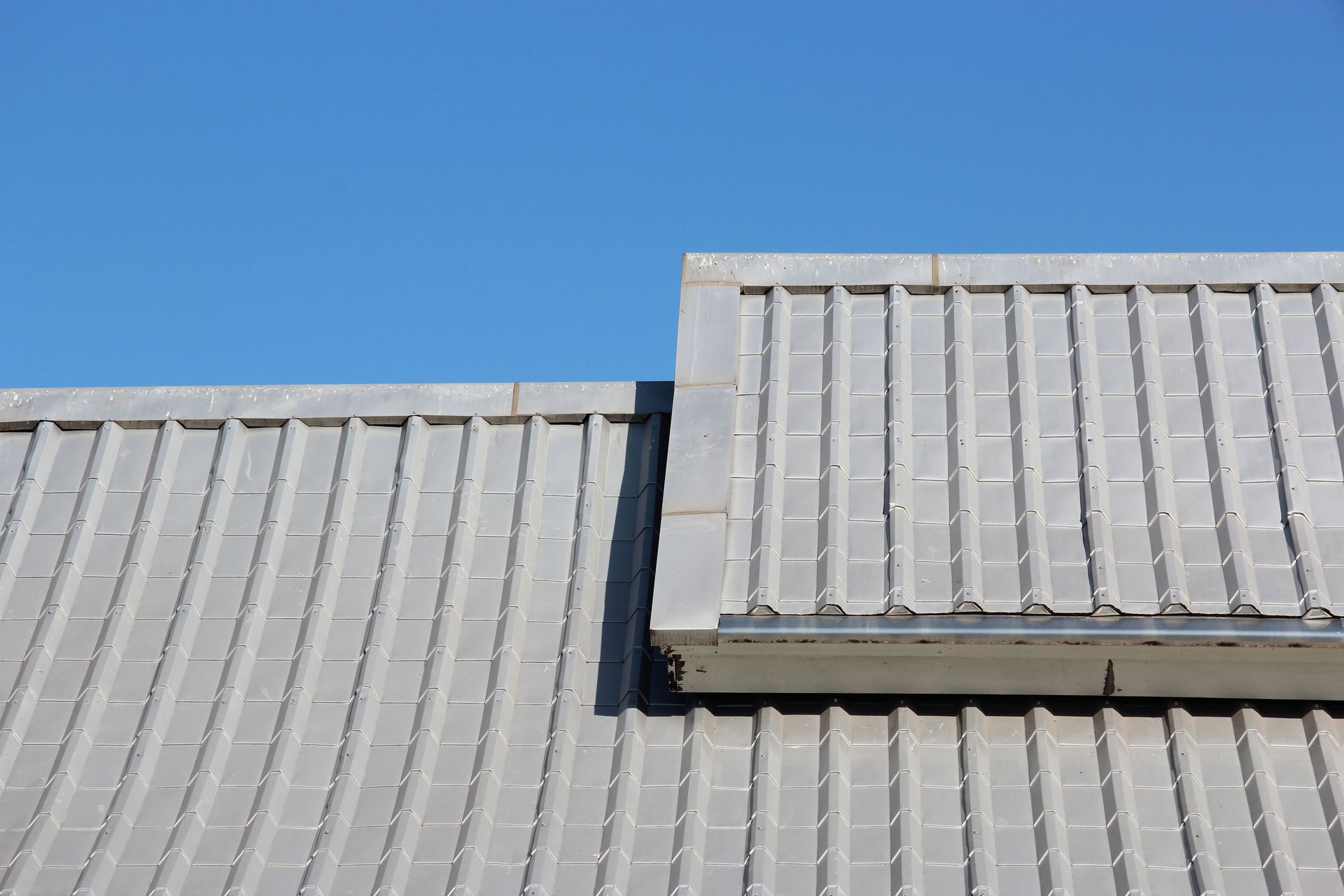
Metal flashing, perimeter edges, and mechanical curbs play crucial roles in sealing commercial roofing perimeters against water intrusion. Exposure to constant humidity, standing water, and environmental pollutants can cause metal surfaces to rust and corrode. Rust weakens fasteners and creates gaps along roof seams where water easily penetrates interior walls. Identifying corrosion early prevents moisture from creeping into deeper layers and damaging structural decking components. Certified technicians inspect flashing joints, apply protective sealant barriers, and replace corroded fasteners during regular site visits. Maintaining clean, rust-free metal components guarantees watertight seals around vulnerable roof penetrations, vents, and HVAC curb connections.
Addressing Structural Sagging and Deck Deflection
Excessive snow accumulation, heavy rainfall, and accumulated debris add substantial weight to commercial roofing support systems. If the internal decking or structural joists become compromised, physical sagging becomes visible along the ceiling line or roof plane. Soft spots underfoot during maintenance walks signal trapped moisture and wood rot within the roof deck. Structural deflection requires immediate attention from qualified experts to evaluate load capacities and repair damaged supports. Addressing underlying deck damage quickly safeguards building occupants and prevents catastrophic structural failures during future weather events.
Managing Water Stains and Interior Moisture Indications
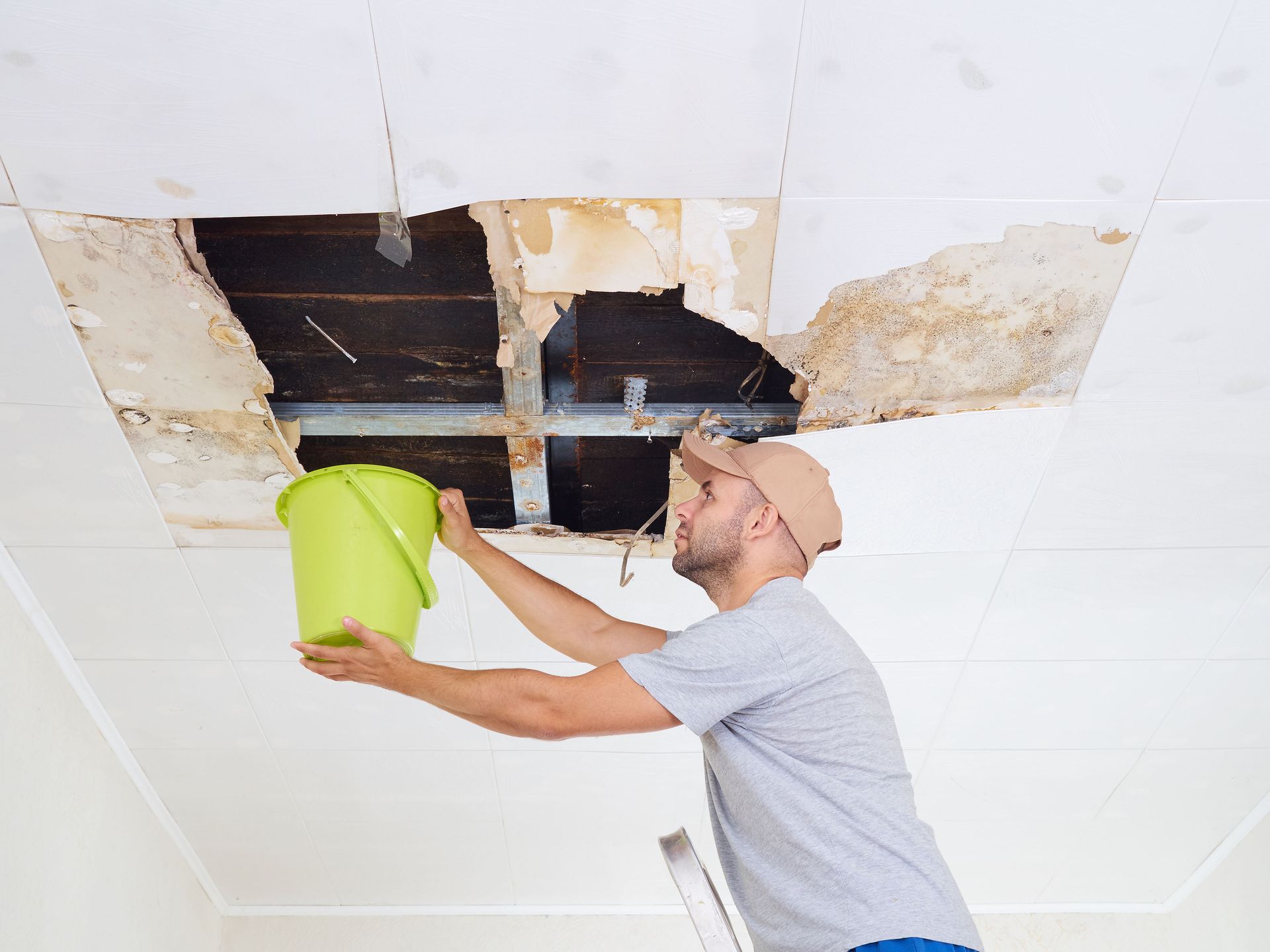
Interior visual cues often provide the first indication that commercial roofing has sustained weather damage. Discolored ceiling tiles, water streaks along exterior walls, and musty odors indicate ongoing leaks above the ceiling space. Ignoring minor interior stains allows hidden moisture to damage insulation, electrical wiring, and drywall structures. Early detection of these subtle indoor signs helps prevent extensive drywall damage and costly structural repairs down the line. Professional roofers utilize infrared moisture surveys to pinpoint the exact exterior breach causing interior leaks. Locating and sealing the precise entry point eliminates moisture accumulation, protects interiors, and restores clean indoor environmental quality for facility occupants.
Mitigating Mold Growth and Insulation Breakdown
Persistent moisture infiltration beneath commercial roofing layers creates ideal conditions for toxic mold spores and mildew growth. Saturated thermal insulation loses its ability to regulate building temperatures, leading to higher monthly utility expenses. Trapped water within insulation boards also accelerates decay in metal decking and underlying concrete substrates. Certified roofing contractors remove wet insulation, sanitize affected areas, and install high-performance replacement insulation materials. Restoring clean, dry insulation layers reduces operational energy costs and maintains healthy indoor air quality throughout the entire commercial property.
Assessing Thermal Splitting and Sealant Failures
Extreme temperature fluctuations cause commercial roofing materials to expand during hot days and contract during cold nights. This continuous thermal movement puts immense stress on seam adhesives, expansion joints, and perimeter sealants. Over time, sealants lose flexibility, crack, or pull away from joint surfaces, allowing wind-driven rain to enter. Addressing thermal movement early prevents minor gaps from expanding into severe leaks across large surface areas. Trained maintenance technicians inspect critical seam intersections and apply high-grade, flexible sealants designed for extreme weather resistance. Re-sealing vulnerable joints ensures that thermal expansion occurs smoothly without pulling apart protective waterproof barriers.
Partnering With Certified Professionals for Comprehensive Inspections
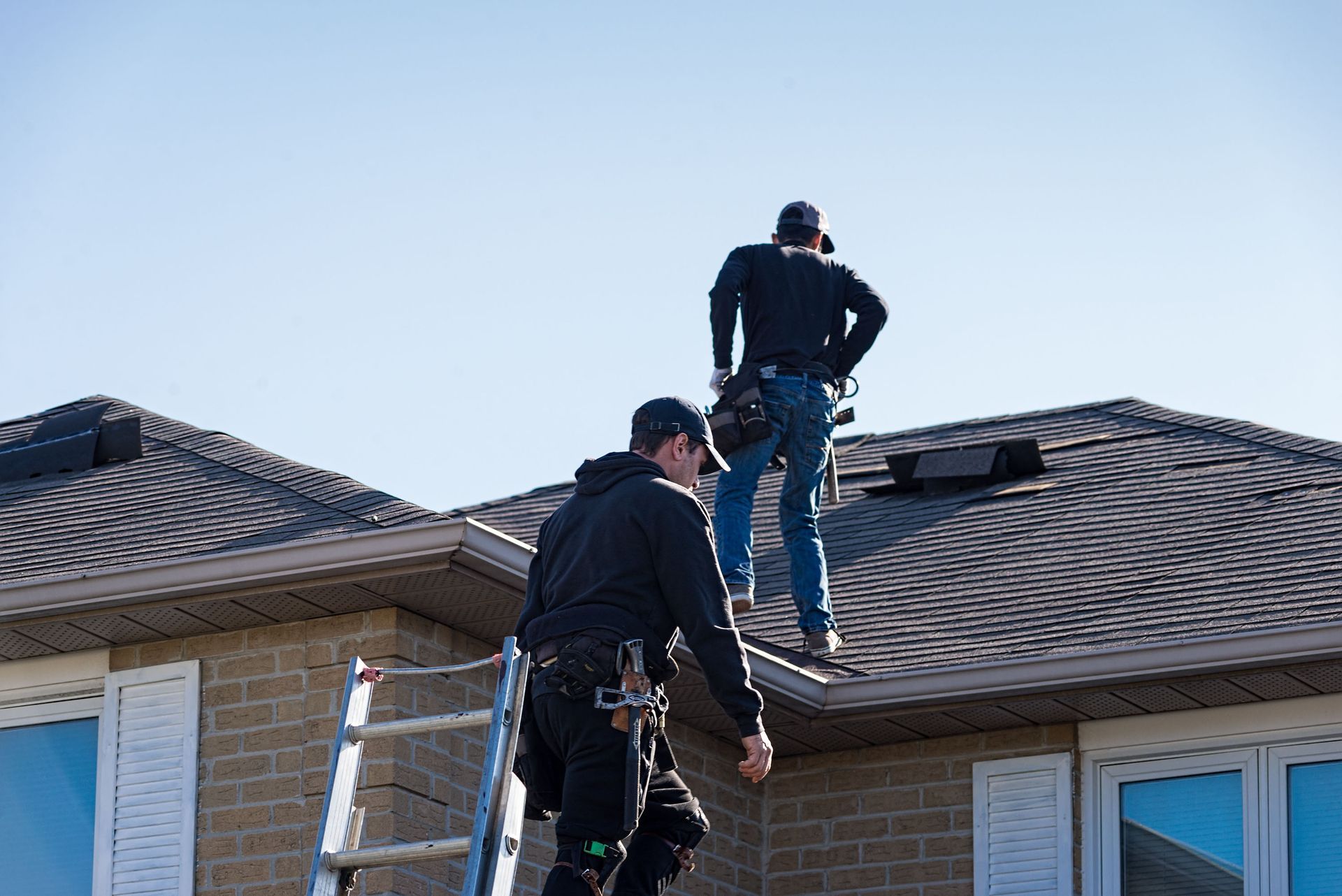
Navigating the complexities of commercial roofing care requires professional industry knowledge, safety training, and precise diagnostic tools. Relying on routine professional inspections ensures that subtle weather damage is detected and corrected before severe structural deterioration occurs. Experienced contractors provide detailed evaluation reports, transparent maintenance schedules, and long-term protection strategies tailored to your facility. Establishing a relationship with an established contractor offers total confidence that your property remains protected through all weather conditions. Protect your investment, extend the lifespan of your property, and ensure total peace of mind by contacting the experienced team at ROOF Management today.
Proactive care and routine inspections remain essential for preserving commercial roofing systems against severe weather events and natural wear. Identifying surface punctures, accumulating water, flashing corrosion, and interior moisture early protects your property from costly emergency repairs and operational disruptions. Entrusting your facility to certified industry experts guarantees that every inspection, maintenance task, and structural repair meets rigorous safety standards. When you need reliable inspection services, preventive care, or expert restoration for your commercial facility, depend on ROOF Management to keep your building completely secure and protected for years to come. Reach out today!